
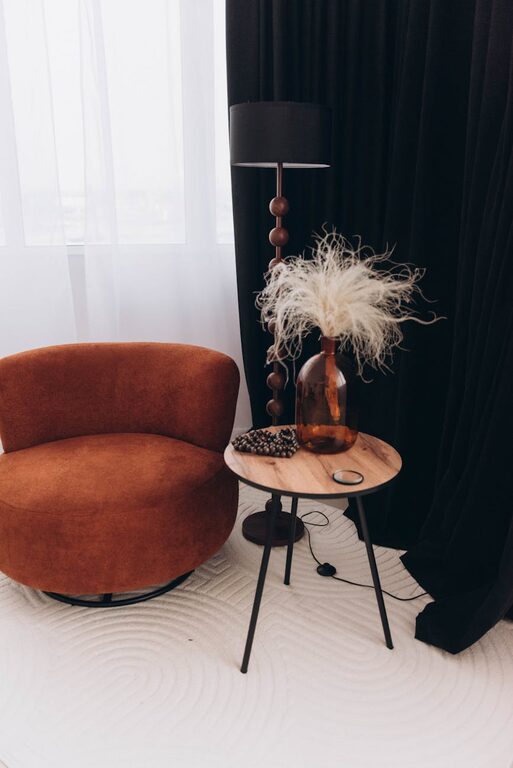
Creating a relaxing home workspace is essential for maintaining focus, reducing stress, and increasing productivity. Whether you work remotely full-time or occasionally need a quiet spot to complete tasks, designing your workspace with comfort and calm in mind can make a big difference. In this post, we’ll explore practical tips and ideas to help you build a relaxing home office that supports your work and well-being.
Why a Relaxing Workspace Matters
Your environment has a powerful impact on your mood and how well you concentrate. A cluttered or uncomfortable workspace can lead to distractions, fatigue, and stress. On the other hand, a well-organized and soothing area helps you feel calm and motivated. By intentionally setting up your home workspace, you create a positive atmosphere that encourages focus and creativity.
—
Step 1: Choose the Right Location
Consider Natural Light
If possible, choose a spot near a window where natural light can flow in. Natural light boosts mood and reduces eye strain. Position your desk so the light falls to the side of your workspace rather than directly in front or behind you to avoid glare on your screen.
Find a Quiet Area
Select a part of your home that is relatively quiet and free from distractions. A corner in the bedroom, living room, or even a closet turned into an office nook can work well if it minimizes noise and interruptions.
—
Step 2: Invest in Comfortable Furniture
Ergonomic Chair and Desk
Comfort is key for a relaxing workspace. An ergonomic chair with good lumbar support helps prevent back pain during long work sessions. Complement it with a desk at the right height to promote good posture—your elbows should sit at about 90 degrees when typing.
Add a Footrest and Wrist Support
For extra comfort, consider a footrest to support your feet comfortably and wrist pads for your keyboard and mouse. These small additions can reduce strain in your legs and wrists.
—
Step 3: Organize and Declutter
Keep Surfaces Clear
A cluttered desk can cause distraction and stress. Keep your work surface tidy by only having essential items on your desk. Use drawers or storage boxes to stow away documents, supplies, and gadgets.
Use Organizational Tools
Invest in organizers like file holders, pen cups, cable management systems, and drawer dividers. Labeling your storage can make it easier to maintain order and quickly find what you need.
—
Step 4: Personalize Your Space Thoughtfully
Add Greenery
Plants bring life and calm to any room. Small indoor plants like succulents or ferns are easy to care for and improve air quality. Keep them near your desk for a refreshing visual break.
Incorporate Calming Colors
Choose colors that promote relaxation—soft blues, greens, or neutrals work well. If repainting isn’t an option, add touches of these colors through artwork, rugs, or desk accessories.
Include Inspiring Decor
Include a few items that inspire you but don’t clutter your space. This could be a favorite photo, motivational quotes, or artwork that lifts your mood.
—
Step 5: Control Lighting and Noise
Use Adjustable Lighting
Along with natural light, have adjustable lighting like a desk lamp with dimming options. Warm light rather than harsh fluorescent bulbs creates a relaxing atmosphere.
Manage Noise Levels
If noise is an issue, consider using noise-cancelling headphones or playing soft background music or nature sounds. White noise machines can also help drown out distracting household sounds.
—
Step 6: Maintain Good Air Quality and Temperature
Ventilation Matters
Keep windows open when possible or use an air purifier to ensure fresh air circulation. Good air quality helps keep you alert and comfortable.
Set a Comfortable Temperature
Adjust your room temperature to a comfortable level—not too hot or cold—to stay focused longer without discomfort.
—
Step 7: Establish Boundaries and Routine
Set Work Hours
Creating clear work hours helps maintain work-life balance. When your workday ends, close your laptop and step away from your workspace to signal it’s time to relax.
Create a Pre-Work Ritual
Starting your workday with a routine—such as tidying your desk, stretching, or brewing a cup of tea—can set a calm, focused tone.
—
Final Thoughts
A relaxing home workspace is within reach by making thoughtful choices about location, furniture, organization, and ambiance. Remember that your space should support your personal working style and well-being. Take time to adjust your setup over time and prioritize comfort and calm to enjoy more productive, stress-free workdays.
Creating this environment does not require a major renovation—small changes can lead to big improvements. Start with one or two tips today and build the peaceful workspace you deserve!